
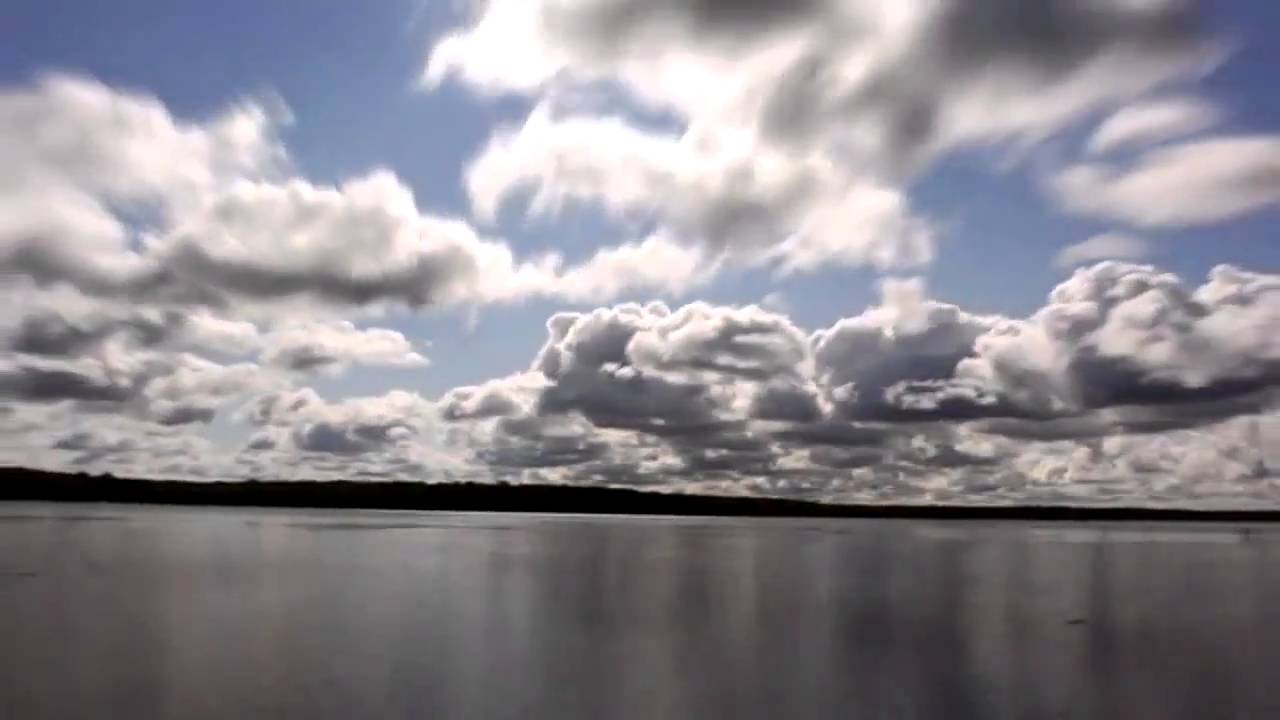
There are moments when the soul feels suspended—caught between heaven and earth, between what is seen and what is strongly felt. In that fragile space, the poet lives. For Frantz M. Dupiton, solitude is not emptiness; it is the sacred ground where thought becomes song and suffering turns into light. His book Le Champ de la Poésie is not just a collection of verses—it is a journey into the silence of the self, a place where loneliness becomes revelation and poetry becomes prayer. Dupiton’s solitude is not the kind born of isolation, but of expression. In his poem La Nuit Est Tranquille (“The Night is Quiet”), he finds peace in the stillness of night. The moon, the stars, and the wind become his silent companions. “I want my soul to be sidereal,” he writes, “so that I may embrace the night and its wonders.” In those few words lies his creed—the belief that silence itself carries divine meaning. When the noise of the world fades, Dupiton listens to what remains—the whisper of eternity. The night, for him, is not a void but a teacher. It strips away vanity and leaves only what is true: the human soul longing for understanding. In solitude, he does not run from life; he rediscovers it in its purest form.
In Ma Nuit (“My Night”), Dupiton transforms the idea of solitude into a dialogue between shadow and spirit. He speaks to a lost love, perhaps a departed soul, perhaps memory itself. “At midnight,” he writes, “I cross the night, and the wind that blows carries the perfume of an ancient era.” Through these lines, Dupiton turns memory into a bridge—connecting the living and the dead, the past and the eternal. This is where the poet stands—between heaven and earth—neither fully anchored to time nor released from it. His solitude becomes a sacred gateway, where grief and beauty coexist. The ghosts he meets are not there to haunt him but to remind him that love, once felt, never truly dies. They are part of the universe’s secret language—a message that meaning does not vanish with distance or death. In his poem Solitude, Dupiton faces the darker side of aloneness. “You seize me at noon,” he says, “you are the worst of sufferings that wraps me in your bitter embrace.” Here, loneliness is no longer gentle; it is oppressive, almost cruel. Yet even this pain becomes purposeful. Through the ache of isolation, he learns compassion—for himself, for others, for the collective sorrow of humankind.
He sees solitude as both wound and cure. It hurts because it strips away illusion, but it heals because it returns the soul to its essence. The poet becomes a mirror to humanity’s unspoken ache. In being alone, he realizes he is never truly alone—his pain reflects the pain of the world, and in understanding it, he reconnects to everyone. Dupiton often looks upward. In Le Chant de l’Aube (“The Song of Dawn”), he writes of the moment where night gives birth to light, where darkness concedes to hope. The rising sun is not just a natural event—it’s a divine symbol. “The sun that rises, with its caressing light, carries me far away toward the turrets of tropical life that fulfilled me.” Morning, for Dupiton, is a resurrection—a sign that solitude is not the end, but the beginning of new vision. His connection to heaven is constant, yet humble. He does not demand miracles; he seeks understanding. “Let the song of your dawn be my reverence,” he writes. This is not the voice of a man escaping reality, but of one grounding himself in faith. His solitude, therefore, is sacred. It is his temple—an invisible cathedral built of silence, memory, and prayer. In Ne Me Questionne-Pas ! (“Do Not Question Me”), Dupiton reveals his deepest truth: that the poet’s solitude is not to be judged by the world. “I do not live here,” he declares. “I live in the night of dreams, under the silver lantern of the moon.” These words are not an escape—they are a defense of authenticity. The poet exists in a different dimension, one that the material world cannot comprehend.
Dupiton distances himself from hypocrisy and noise. He speaks of a world “filled with confusion,” where greed has replaced kindness and masks have replaced faces. He refuses to belong to such a world. His exile is chosen. Through solitude, he reclaims purity of thought. He reminds us that those who walk alone often see further, for their eyes are not blurred by the crowd’s delusion. In Le Champ de la Poésie, Dupiton carries a burden both heavy and holy—the task of giving voice to silence. He walks the invisible path between heaven and earth, where pain and peace coexist. His solitude is not punishment but calling. It gives him clarity to see what others ignore: the misery of the poor, the dignity of labor, the holiness of small things. He writes, “I am the pilot of the pen that helps me vomit my raw thoughts about shame and despair.” It is a brutal honesty, a confession of how poetry becomes therapy, and solitude becomes the surgeon of the soul. The poet bleeds in private so the world may heal in public.
Stay connected to the world of poetry that breathes light into every heart.
Join Frantz M. Dupiton’s circle of readers and receive reflections, new writings, and glimpses into his poetic universe.
Because poetry isn’t just read it’s lived.
Through poetry, we remember who we are and who we still can become.
© Copyrights 2025 Frantz Dupiton. All Rights Reserved
